



Grinder Burnout: When Discipline Turns Into Exhaustion
Burnout doesn’t always feel like a crisis. Most of the time, it looks like discipline. It looks like one more session, one more study block, one more week of “staying consistent,” even when your brain needs real rest.
That’s why grinder burnout is so dangerous: it doesn’t come from laziness. It comes from ambition, high standards, and the pressure to keep moving.
Burnout isn’t the absence of motivation. It happens when motivation keeps running on empty for too long.
In this article, we’ll explain what grinder burnout is, how it shows up in poker, how it affects decisions, and how to recover without losing your edge.
What Grinder Burnout Really Looks Like
Grinder burnout is more than feeling tired. It’s a long-term state of mental depletion where your mind struggles to stay focused, calm, and sharp.
The worst part is that many players mislabel it. They tell themselves:
- “I’m just in a downswing.”
- “I need more volume.”
- “I’m being weak.”
- “Once I win again, I’ll feel normal.”
But burnout doesn’t disappear when variance improves. It fades when you rebuild your routine and protect your mental energy.
A disciplined player can still burn out. In fact, strong structure can hide the problem for months.
Coach Question
How would you define grinder burnout, and what’s the #1 sign that makes you say: this is no longer just tiredness?
Santiago Díaz · El Poker Zen
Grinder burnout is a syndrome of chronic exhaustion that shows up as a mix of mental and emotional symptoms. It’s not a temporary dip it’s a sustained depletion of your mental resources. The #1 sign it’s no longer just tiredness is disconnection: you stop playing adaptively and start playing more ABC, more standard, falling into autopilot. Emotionally, you often feel flat, apathetic, and confused like something is wrong, but you can’t name it or fix it.
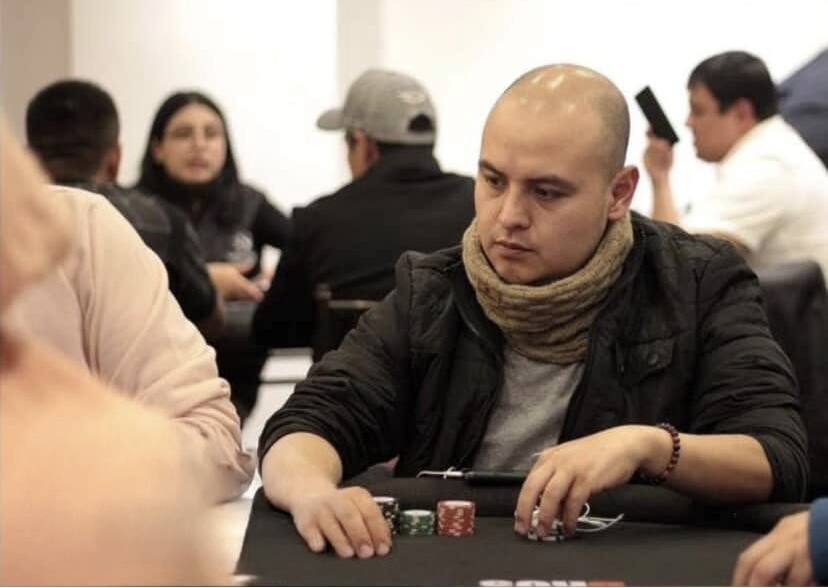
The Silent Signs of Mental Fatigue
Most grinders don’t notice burnout at first because it feels “manageable.” You still play. You still show up. You still perform… kind of.
But over time, the signs add up.
Here are common signs of mental fatigue that poker players often ignore:
- You click buttons faster and think less
- You feel emotionally flat or disconnected
- You lose patience and snap internally
- You stop enjoying progress, even when results are fine
- Studying feels heavy and you procrastinate it
- You finish sessions feeling drained, not satisfied
- You feel overwhelmed by spots that used to feel normal
This isn’t a mindset weakness. It’s what happens when your system runs under high levels of pressure for too long.
Many grinders also feel it in their body: headaches, bad sleep, tight chest, low appetite, or other physical symptoms. That’s how you know burnout can become both physical and emotional.
When Discipline Becomes Toxic
Poker culture rewards discipline, and it should. But real discipline isn’t about grinding through everything. It’s about choosing what creates long-term performance.
Toxic habits usually sound like this:
- “I can’t take a day off.”
- “If I rest, I lose momentum.”
- “More volume fixes everything.”
- “I just need to push harder.”
That is toxic discipline. It feels productive, but it slowly turns into chronic stress.
Some players even use grind volume to avoid other things: fear, uncertainty, self-worth issues, or pressure from social media comparison. That’s why burnout isn’t only about poker. It can connect to deeper mental patterns and even emotional exhaustion.
If you want to stay consistent in the long term, you need to respect your limits the same way you respect bankroll rules.
Coach Question
At what point does discipline stop being an advantage and become a trap that slowly drains you?
Santiago Díaz · El Poker Zen
Discipline becomes toxic when it turns rigid and you stop listening to your body and mind. A truly disciplined player schedules both grind days and rest days and honors both. The trap starts when you feel you must play no matter what: chase volume, never stop, push through exhaustion, even when your system is clearly asking for recovery. That’s when discipline stops protecting your edge and starts draining it.
How Burnout Changes Your Poker Decisions
Poker punishes fatigue because every session demands thousands of decisions. Not only big all-ins, but the small ones too: sizing, timing, bluff selection, and pressure control.
When you burn out, you don’t become “bad.” You become shallow. Your brain starts choosing comfort over precision.
Common changes include:
- You simplify spots too much
- You avoid tough lines to reduce stress
- You chase action to feel in control
- You play more autopilot and miss patterns
- You stop thinking in ranges and focus on single hands
This is where burnout becomes a performance leak. You still know strategy, but you execute it with lower precision.
It also becomes easier to miss key details. You stop asking the right questions. You stop being curious. You stop being fully present. In other words, you stop being able to pay attention like you used to.
Coach Question
When a player is mentally fatigued, what changes appear in their decision-making without them even noticing?
Santiago Díaz · El Poker Zen
Mental fatigue doesn’t erase your knowledge it reduces your precision. You start clicking faster and thinking less, defaulting to “safe” standard lines. You avoid tough spots, simplify ranges into single-hand thinking, and miss patterns you would normally catch. Your brain chooses comfort over accuracy, which quietly turns burnout into a performance leak.
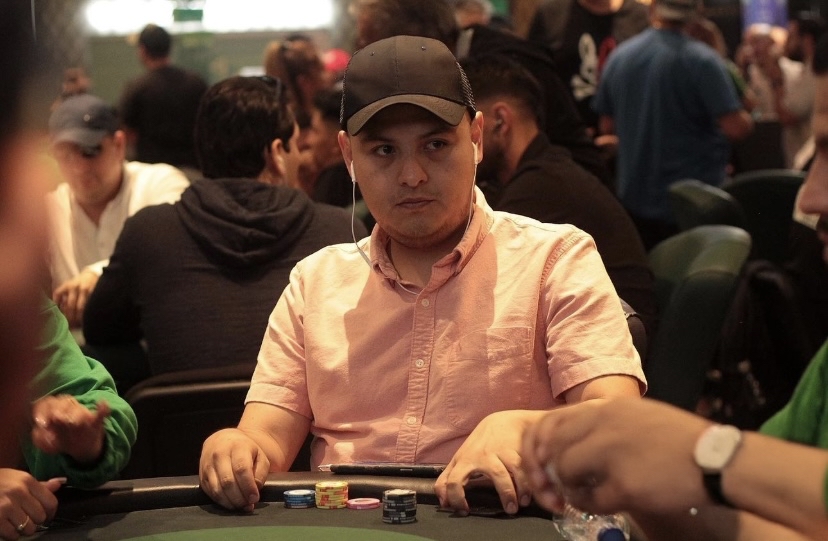
How to Recover Without Losing Your Edge
Recovery doesn’t mean quitting. It means rebuilding your energy system so your A-game becomes sustainable again.
The goal is not just “rest.” The goal is to recover your consistency in the long run.
Here are simple and effective coping strategies many pros use:
- Shorter sessions with higher focus
- A fixed stop time (not only a stop-loss)
- One low-intensity day per week (review, theory, light play)
- Better sleep routines and hydration
- More physical activity to regulate stress
- A clear warm-up to reduce anxiety and autopilot
- Mindset routines to reset emotional pressure
Some players also benefit from structured mental methods. There is research showing that tools like journaling, breathing work, and even cognitive training help reduce stress and improve performance. In extreme cases, some players may need support from mental health professionals.
And if burnout stays for months, it can connect with chronic stress, or even symptoms linked to anxiety and depression. At that point, poker is no longer the only problem. The nervous system becomes the main problem.
Many high-performers also use tools like mindfulness to stabilize their emotions. You don’t have to become spiritual to benefit from it just learn to practice mindfulness in a practical way before and after sessions.
Some players even explore methods like cognitive behavioral therapy when patterns feel deeply automatic and hard to break.
Coach Question
If a grinder is burned out but can’t stop playing, what 1–2 immediate adjustments would you recommend to regain energy without losing consistency?
Santiago Díaz · El Poker Zen
First, shorten sessions and set a hard stop time so you protect focus instead of chasing volume. Second, add one low-intensity day per week (review + light play) to give your nervous system real recovery while staying consistent. These two changes reduce pressure immediately without killing momentum.
The Grinder Mindset That Lasts
To win in poker, you don’t just need strategy. You need a stable mental system that survives real life: pressure, downswings, low sleep, personal stress, and uncertainty.
A strong grinder mindset isn’t built on motivation. It’s built on structure, recovery, and standards you can maintain.
You don’t need to grind like a machine. You need to build a mindset that lasts longer than any single month of results.
Your edge isn’t only knowledge. Your edge is your ability to execute good decisions repeatedly, even under stress.
Final Thoughts: Burnout Is Not a Failure
Burnout doesn’t mean you’re weak. It usually means you’ve tried too hard for too long without enough recovery.
The smartest grinders don’t grind harder forever. They build a system that supports their mind, body, and identity.
That is what makes you strong in the long run.
And if you want to speed this up, working with a mindset coach can help you shorten the recovery cycle, rebuild confidence, and protect your performance before burnout becomes your new normal.
A practical way to maintain performance without burning out is to rely on a study system that removes mental pressure and helps you improve with clarity. That’s why many players combine rest + structure with tools like Optimus Poker, where you can train spots, ranges, and decisions without falling into the chaos of endless volume.