


Best Poker Movies: 6 More Must-Watch Films
The best poker movies don’t just show what happens at the table. They show how players think during the real game.In Part 1, we explored the most famous poker films, from Rounders (1998) to Molly’s Game (2017). Those movies helped shape the modern poker scene and inspired thousands of poker players to start playing the game more seriously.
But there is more to discover. Some of the best poker movies do not appear on every list. They go deeper into psychology, discipline, pressure, and the reality behind professional poker. They may not always be the most famous titles, but they often leave a stronger impression because they show what really happens when people sit down to play cards.
This second part focuses on hidden gems, overlooked poker films, and stories that reveal the emotional and strategic layers behind the game. Some are about high stakes poker. Others are about ego, risk, and the mental side of competition. Together, they offer a broader view of poker on screen and the real game behind it.
More Best Poker Movies You Should Watch
Some poker films focus on action. Others focus on mindset. The best ones combine both. They do not just show winning hands or dramatic river cards. They show hesitation, emotional swings, and the kind of pressure that defines real poker. That is why these films matter. They help players understand that poker is not only about cards, but also about behavior and decision-making.
The Grand (2007): chaos, ego, and table dynamics
The Grand offers a very different type of poker film. It follows a group of eccentric players during a high stakes poker tournament and uses a loose documentary-style format. The tone is lighter than most poker films, but the movie still captures something real about the game. Players bluff too much, trust bad instincts, tilt easily, and overestimate their edge.
That is one reason why the film works so well. It understands that poker is not played by machines. It is played by people with ego, fear, impatience, and different levels of discipline. The humor makes the movie entertaining, but underneath that humor there is an honest view of how messy real poker can feel when emotions enter the hand.
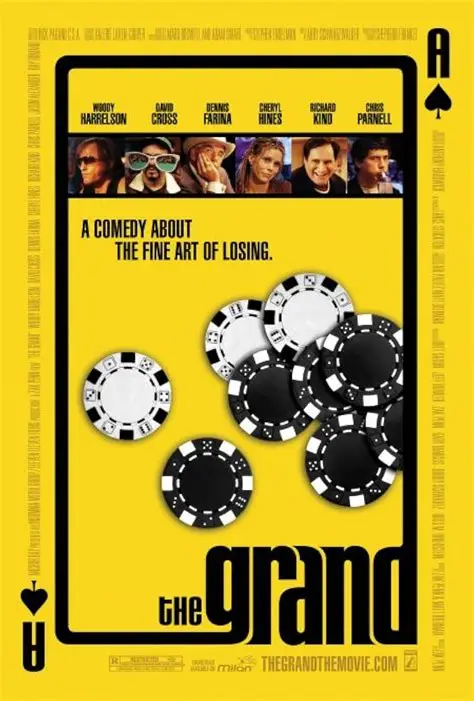
The Grand (2007) — A comedy about the fine art of losing.
All In: The Poker Movie (2009) and the rise of modern poker
All In: The Poker Movie is essential for anyone who wants to understand how poker became a global phenomenon. Instead of focusing on one fictional player, this documentary explains the growth of online poker sites, televised poker tournaments, and the cultural boom that transformed the poker world in the early 2000s.
One of the film’s most important themes is the Moneymaker Effect. When Chris Moneymaker won the World Series of Poker Main Event in 2003, he changed how people saw the game. Suddenly, an amateur could beat professional poker players on the biggest stage. That moment encouraged more people to play online, explore poker sites, and believe that the path into poker was open to everyone.
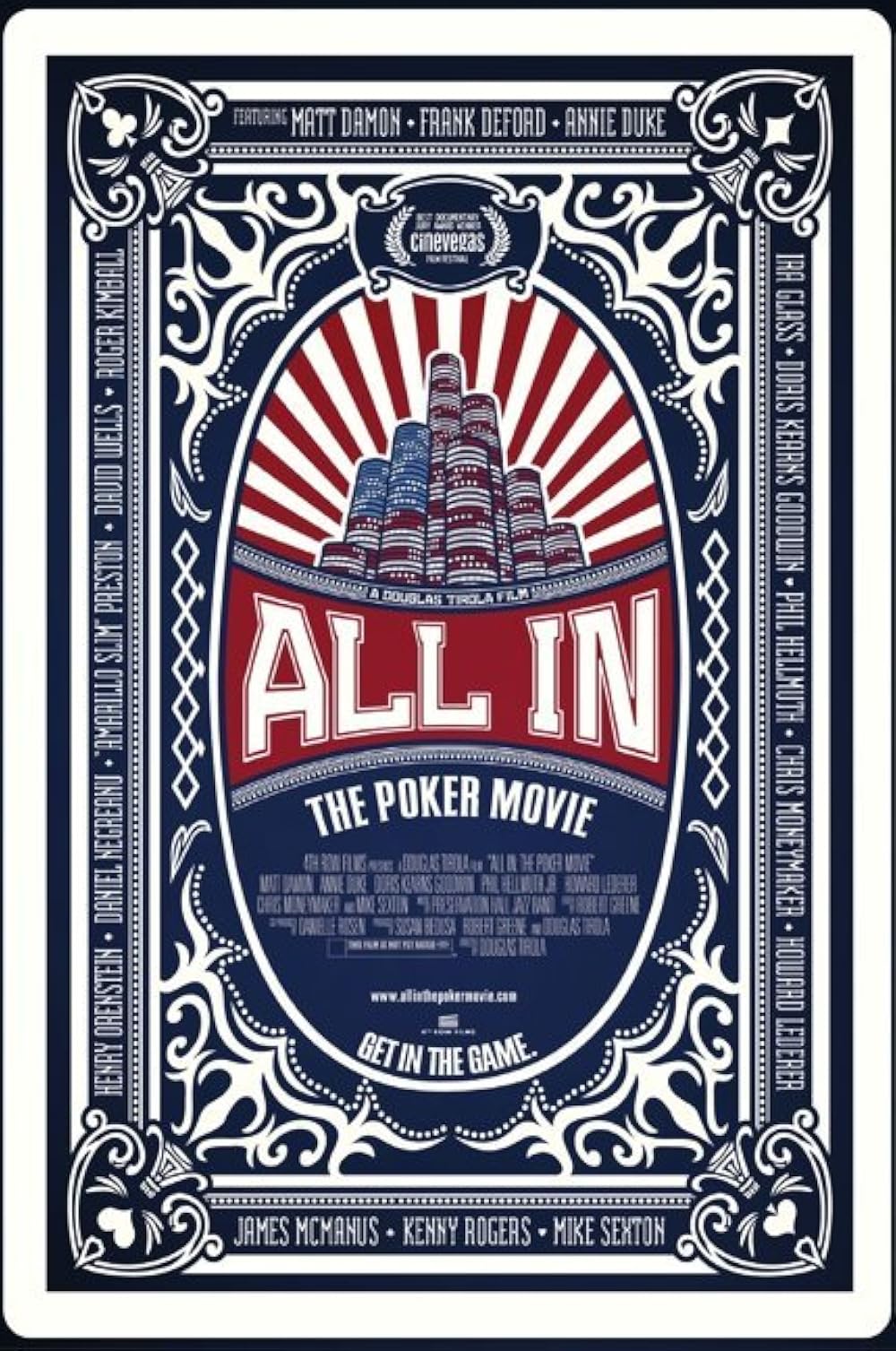
All In: The Poker Movie (2009) A documentary exploring the rise of poker and the WSOP boom.
The Card Counter (2021): discipline over drama
The Card Counter is not a traditional poker movie, and that is exactly why it stands out. While poker appears throughout the film, the real focus is discipline, routine, and emotional control. The main character does not chase dramatic victories. He plays carefully, avoids unnecessary risk, and thinks in terms of long-term survival.
That mindset feels much closer to real poker than many flashy Hollywood scenes. Real poker is not about one heroic bluff or one unforgettable all-in. It is about making strong decisions again and again. It is about staying steady during losing stretches and resisting emotional mistakes. This film understands that truth better than many more famous titles.
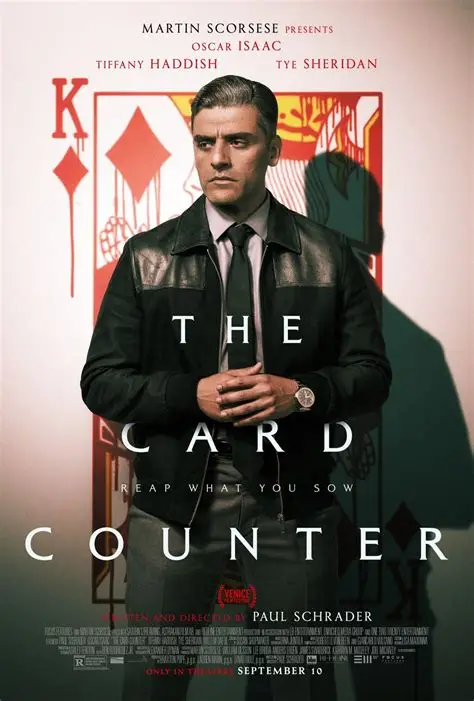
The Card Counter (2021) A dark psychological take on gambling and discipline.
Runner Runner (2013) and the world of online poker platforms
Runner Runner explores the modern side of poker through online poker platforms and high-stakes business. The strategy shown in the film is not always realistic, but the setting still feels relevant. It reflects a world where poker is connected to technology, money, reputation, and the systems that sit behind the game.
That matters because real poker is shaped by its environment. Where you play changes your experience. The level of the pool, the structure of the games, and the culture of the platform all affect your results. Poker does not exist in isolation. It exists inside an ecosystem, and the movie does a good job of reminding viewers of that.
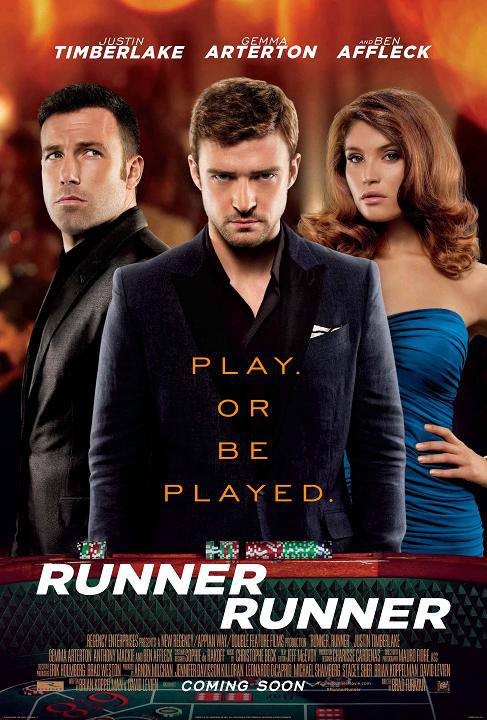
Runner Runner (2013) — A story about online poker, risk, and high-stakes deception.
Croupier (1998): poker from the other side of the table
Croupier gives a different perspective on the card game. Instead of following a player, it follows a casino dealer who watches players make the same mistakes again and again. He sees emotional decisions, poor risk management, and the dangerous habit of chasing losses. That distance gives the film a special kind of clarity.
This is one of the strongest themes in real poker. Many players believe they are making rational choices, but from the outside their decisions can look completely emotional. Croupier captures that gap very well. It shows how easy it is to get trapped inside your own story when money and ego are involved.
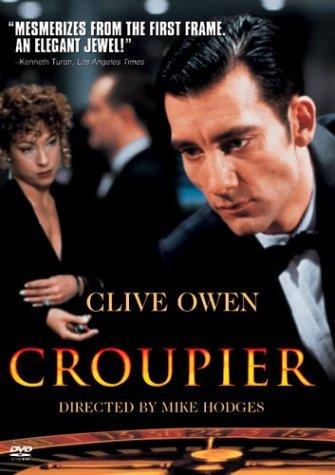
Croupier (1998) A noir-style look at the gambling world from inside the casino.
More Poker Films and Best Poker Movies Worth Watching
A few other poker films also deserve a mention:
- Deal (2008) shows the dream of becoming a professional poker player through a mentor-student story.
- Casino Royale (2006) gave audiences one of the most famous high stakes poker scenes in modern cinema.
- Lock, Stock and Two Smoking Barrels (1998) uses a card game to trigger a fast-moving crime story.
- The Gambler (2014) explores risk, self-destruction, and the mindset behind dangerous decisions.
Poker on screen vs the real game
The best poker movies get one thing right: pressure. They understand the tension of big decisions, the silence before a call, the fear of being wrong, and the emotional weight of risk. Those elements are central to the real poker experience, and that is why these films stay memorable.
At the same time, movies often exaggerate hero calls, dramatic bluffs, and impossible reads. Real poker is usually less flashy. Players win by staying consistent, managing risk, and making better decisions over many hands. That is why poker films work best as inspiration, not as exact strategy guides.
The strongest poker films show more than cards. They show emotional control, ego, discipline, and the pressure of making decisions with incomplete information. That is what connects poker movies to the real game.
From poker films to real strategy
If Part 1 introduced the classic titles, Part 2 expands the picture. It shows that poker cinema has more to offer than famous final hands and iconic table speeches. It can also reveal the mental side of the game, the growth of online poker platforms, and the patterns that separate stable players from emotional ones.
And if you want to take those lessons beyond the screen, Optimus Poker helps you do exactly that. Training with structure, learning real decision-making, and understanding why a play works is what turns inspiration into progress. Watching poker is exciting. Understanding the real game is where the real edge begins.