



Beginner Poker Strategy: How to Stop Losing Long Term
Beginner Poker Strategy and Losing at Poker: What Really Goes Wrong at the Start
This beginner poker strategy guide explains why most new players keep losing and how to build the right mindset to stop losing long term.
They want to learn the rules, understand poker hands, and enjoy winning pots at the table. At first, everything feels exciting. Texas Hold’em seems simple enough, and early wins create confidence.
But beneath that excitement, something else is already happening.
Many beginners are chasing short-term emotions. They play for the feeling of winning, the rush of a good hand, or the hope of a quick result. Patience feels boring. Studying feels slow. Thinking long term feels unnecessary.
These are classic characteristics of the recreational player, often called a “fish” in poker terms not because they are stupid, but because they act emotionally instead of strategically.
Then reality hits.
After a few weeks or months, many beginner poker players realize they are consistently losing at poker. The cards feel unfair, sessions end in frustration, and confidence slowly fades. This is usually the moment when a beginner starts asking the same question again and again:
“Why am I still losing?”
In most cases, the answer is not advanced poker theory. Beginners do not lose because they misunderstand a royal flush or a straight flush. They lose because they never build the mental foundation required to learn poker properly.
Why Knowing Poker Hands Is Not Enough
Many beginners already know the basics. They understand what a full house is, how the big blind works, and which strong hand usually wins the pot. Some have played poker for months, both live and online poker, and feel they should be improving.
At first glance, it may sound wrong to say that the problem is not knowledge after all, poker education is built on knowledge.
And yes, beginners are missing knowledge.
They lack poker mathematics. They don’t fully understand pot odds, frequencies, statistics, relative hand strength, betting patterns, or the logic behind good decisions.
But the real problem is how that knowledge is used.
When beginners play poker without structure, emotions take control. Fear of losing appears after a few bad hands. Confidence spikes after a small win. Decisions become reactive instead of intentional.
Over time, this emotional swing leads to passive play, rushed calls, or aggressive mistakes that make no sense in the long run.
Learning poker is not just about card games.
It is about learning how to think clearly while pressure is present.
Playing More Games Often Makes Things Worse
One of the biggest mistakes in beginner poker is believing that simply playing more will automatically lead to improvement. Many players think that if they increase the number of games per week, results will eventually improve.
In reality, the opposite often happens.
When beginners play long sessions without breaks, focus drops. They stop paying attention to stack sizes, positions, and betting patterns. A player may correctly identify a strong hand, but still misplay it because they are tired or emotionally charged.
This is why many players who have played poker for years still struggle. They gain experience, but not clarity.
In the long run, this leads to frustration and burnout instead of progress.
Mental Symptoms That Keep Beginners Stuck
The mental symptoms that cause losing at poker are often subtle. They don’t feel dramatic, but they slowly damage performance.
A beginner may replay bad beats emotionally instead of reviewing hands calmly. They may avoid session reflection because it feels uncomfortable. Some keep playing even when mentally exhausted, hoping the next hand will fix everything.
Others experience fear of losing and respond with passive play, folding too often and avoiding decisions that matter.
These habits don’t appear overnight, but they become patterns if left unchecked.
This is not a sign of weakness.
It is a sign that learning is happening without guidance.
Mental Reset: A Simple Tool Beginners Ignore
One of the most effective tools for beginner poker players is a mental reset. This does not require therapy or complex routines.
A mental reset can be as simple as stopping for one minute, taking deep breathing seriously, and reminding yourself that each hand is independent.
Deep breathing slows the nervous system and helps the brain return to logical thinking.
Before starting a session, or after a bad hand, take a few slow breaths and reset your focus. This habit alone can prevent emotional decisions that destroy entire sessions.
Coach Question
Why do beginners keep losing even when they try to learn poker seriously?
Grant Gardner : Asia’s #1 ᴍɪɴᴅꜱᴇᴛ ᴄᴏᴀᴄʜ
Because beginners underestimate discipline. Learning poker requires structure away from the table, not just motivation during play. When emotions take over, knowledge disappears. A strong mental foundation allows skills to show up consistently.
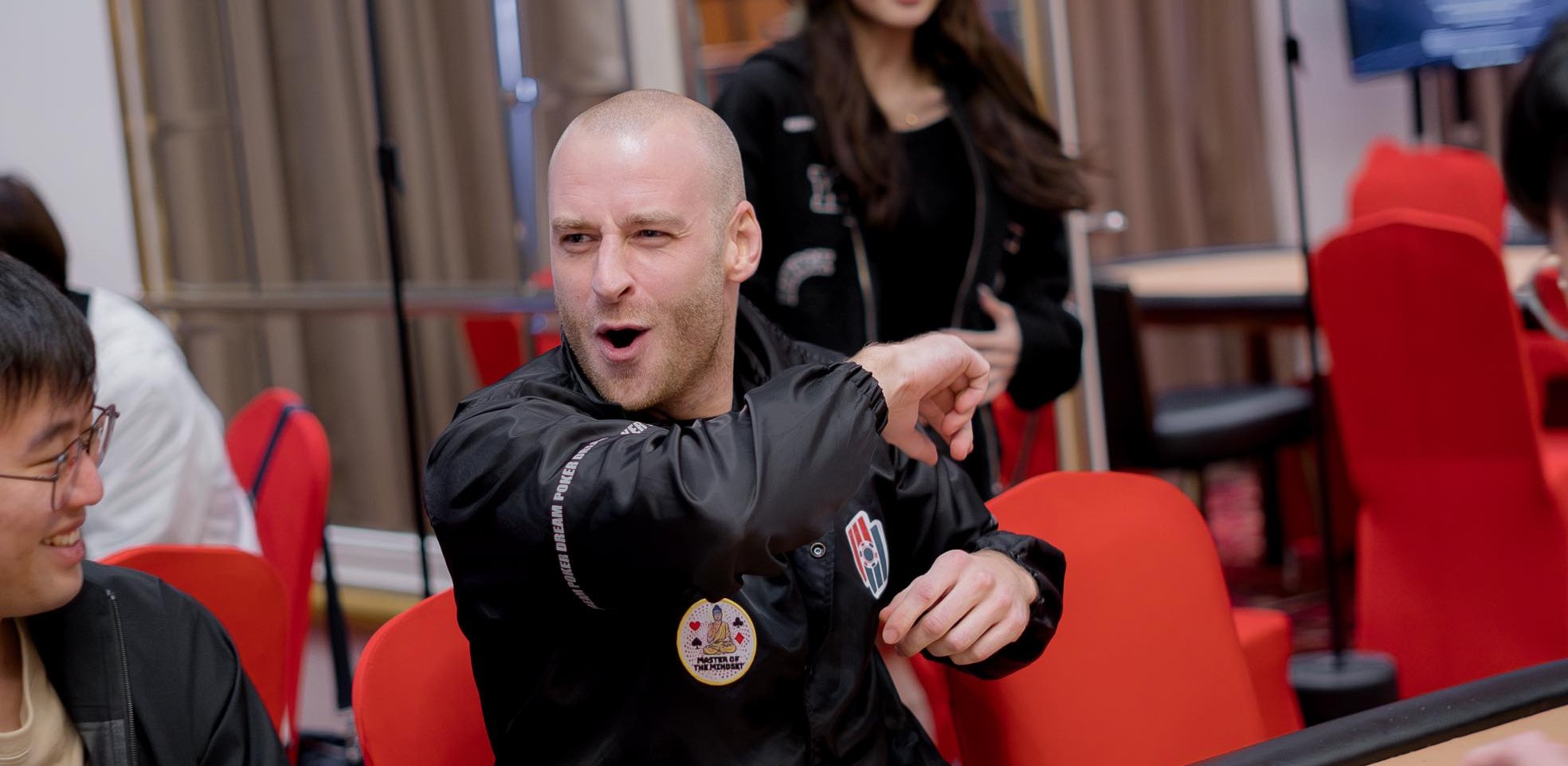
Grant Gardner - Mindset coaching for poker players.
Focus and Paying Attention at the Table
Many beginners believe they are paying attention, but their mind is already stuck on previous hands or recent losses.
When focus drops, mistakes increase. Bet sizes become sloppy, position is ignored, and decision-making slows down.
Paying attention is a skill. It improves with shorter sessions, fewer distractions, and regular breaks. Playing fewer tables in online poker often leads to better results than multitabling without awareness.
Fear of Losing and Passive Play
Fear of losing is one of the biggest psychological barriers in beginner poker. It shows up quietly.
Players avoid bluffs, check too often, and hesitate in situations where action is required.
Passive play feels safe, but it leads to long-term losses. Poker rewards clear decisions, not avoidance.
Recognizing fear and responding with a calm mental reset is essential for growth.
Session Reflection Builds Real Progress
Most beginners skip session reflection. They either jump into another game or walk away frustrated.
This is a missed opportunity.
A short session reflection helps connect experience with learning. Writing down a few notes about emotions, mistakes, and key hands builds awareness. Over time, patterns become clear, and improvement becomes measurable.
Session reflection turns games played into lessons learned.
Coach Question
Do many players already know enough to win but still lose?
Grant Gardner: Asia’s #1 ᴍɪɴᴅꜱᴇᴛ ᴄᴏᴀᴄʜ
Yes. Many players understand poker hands and basic strategy, but emotions block execution. Without emotional control, even good decisions disappear under pressure.
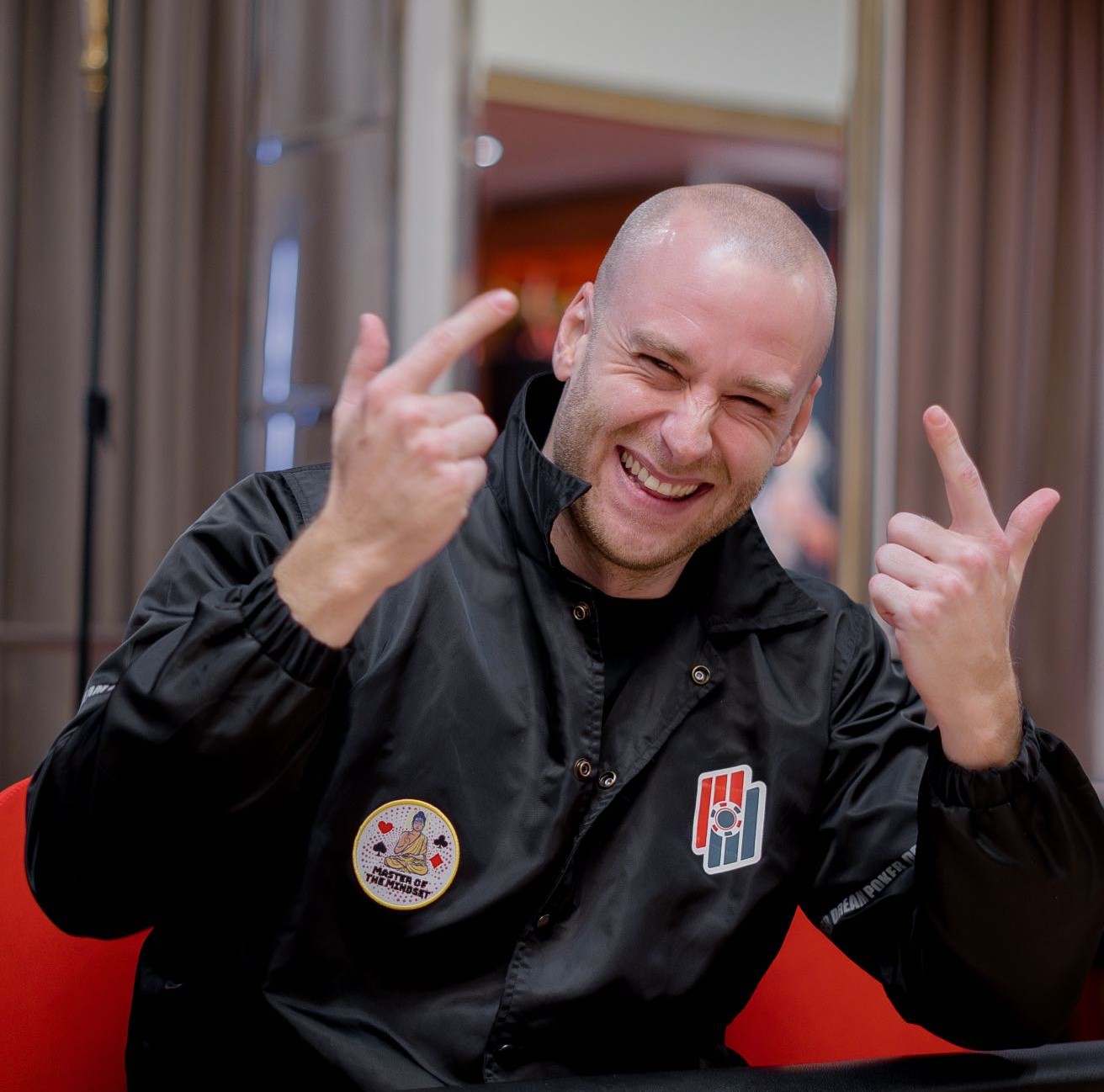
Poker mindset: focus, discipline, and long-term decision-making.
Mental Health and Poker
Poker does not cause mental health disorders, but it can amplify existing stress.
Beginners sometimes isolate themselves, argue with family members, or use poker as an escape instead of a game.
Healthy poker habits include balance. Spending time away from the table, exercising, and maintaining social connections improve performance in the long run.
Poker is part of life, not a replacement for it.
Types of Poker and Learning Pace
Different types of poker require different learning speeds. Online poker moves faster than live games. Texas Hold’em differs from other poker variants.
Beginners should choose one format and focus on it instead of jumping between games.
Consistency helps the brain recognize patterns faster and reduces confusion.
The Real Fix: How to Learn Poker the Right Way
Helping a beginner stop losing at poker is not about memorizing advanced poker theory.
It is about building a foundation.
This includes structured study, emotional control, regular session reflection, and realistic expectations. Learning poker is a long-term process. There are no shortcuts.
Platforms like Optimus Poker help beginners learn poker step by step, combining theory with practical decision-making and mental discipline.
Conclusion
Stop playing poker like it’s a test of ego or a short-term chase for emotions.
Start treating it like a skill you can study.
Poker losers stay stuck because they play, then hope. Poker students review hands, learn fundamentals, and improve on purpose.
When you become a student, losses turn into lessons, confidence replaces frustration, and progress becomes measurable.
Study faster.
Feel better.
Lose less.
Stop being a loser. Become a poker student.
Join the community of winning poker players at OptimusPoker.com now.